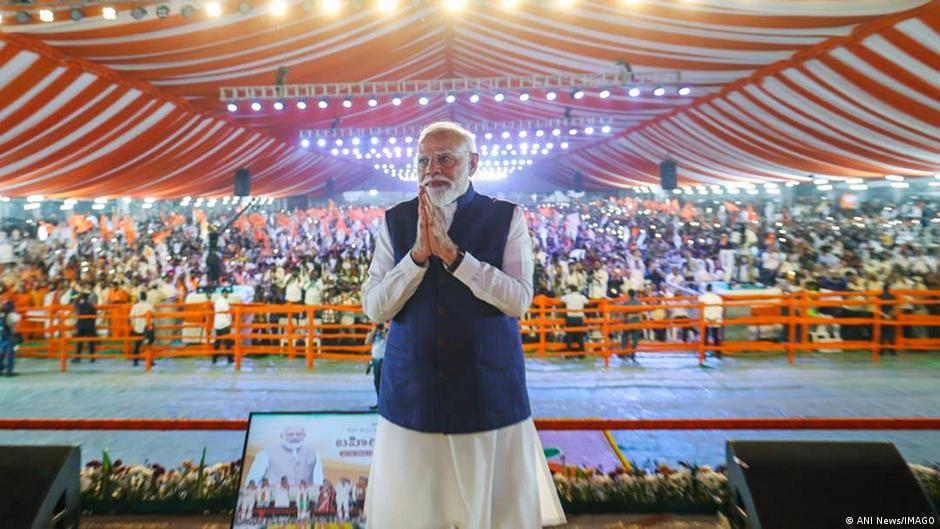
Prime Minister Narendra Modi is asking Indians to make a series of changes in their consumption habits to help the country withstand the global economic upheaval from the Iran war. DW has the latest.
Modi's appeal to the nation came on Sunday as a stalemate between the US and Iran over a peace proposal to bring the Iran war to an end continues — and so do the worldwide supply chain disruptions triggered by the conflict.
.
What did Modi say?
Addressing a public meeting in Telangana's Hyderabad, Modi asked citizens to collectively participate and make lifestyle choices that could help the country deal with pressures from the Middle East crisis.
The leader encouraged people to use public transport and electric vehicles.
"We have to reduce our use of petrol and diesel. In cities with metro lines, we should try to travel by metro... If we must use a car, then we should try to car pool," Modi said.
He also suggested getting back to the work-from-home culture that became the widely adopted norm during the COVID-19 pandemic , saying that it would help the country use less fuel.
"During the coronavirus period, we developed many systems of work from home, online meetings, and video conferences, and we even became accustomed to them," the prime minister said, adding that restarting these practices was in " national interest" and the "need of the hour".
Modi urged Indians to postpone unnecessary overseas travel, including for destination weddings, and avoid non-essential purchase of gold for at least one year to reduce the burden on foreign exchange.
"We must also place a strong emphasis on saving foreign exchange, as petrol and diesel have become so expensive globally," he said.
He called on families in India to reduce their cooking oil consumption, deeming the move as both healthy and patriotic.
"Patriotism is not only about the willingness to sacrifice one's life on the border. In these times, it is about living responsibly and fulfilling our duties to the nation in our daily lives," PM Modi said as he made his appeal.
India — the world's third-biggest oil importer and consumer — is one of few countries in the region that has not hiked retail petrol and diesel prices for domestic consumers or rationed supplies amid supply disruptions.
Prices of liquefied petroleum gas (LPG), the primary fuel used to heat stoves and ovens in Indian kitchens, have, however, been increased.
People in the country are waking up this Monday morning pondering how Prime Minister Narendra Modi 's call to adopt austerity measures in the face of the global economic uncertainties — brought on by the Iran war — could affect their day-to-day lives.
Modi has urged citizens to cut down on fuel use, revive Covid-era work from home arrangements and avoid unnecessary foreign travel to conserve foreign exchange reserves, among other proposed "nationally responsible" lifestyle changes.
Meanwhile, it's the first Monday in office for Tamil Nadu's new Chief Minister Joseph Vijay, who took the oath of office on Sunday, putting an end to a nail-biting political suspense on whether he would be able to gain the majority needed to form a government in the southern Indian state.
The actor-turned-politician has rewritten the script of Tamil Nadu's politics that saw a duopoly of Dravidian parties wield power for nearly 60 years.
Stay tuned as we unpack what India is talking about today.