Cancer Research UK figures show number diagnosed with most serious form of skin cancer has risen above 20,000 for first timeThe number of cases from the most serious form of skin cancer have reached a record high across the UK, according to analysis by a leading cancer charity.Melanoma cases in the UK have risen above 20,000 for the first time ever, with 20,980 people being diagnosed with the form of cancer in 2022, according to analysis of the latest figures by Cancer Research
Cancer Research UK estimates that by 2040 there could be 26,500 new melanoma cases every year in the UK.
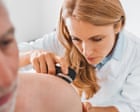
Photograph: Posed by models; Inside Creative House/Getty Images Cancer Research UK estimates that by 2040 there could be 26,500 new melanoma cases every year in the UK.
Photograph: Posed by models; Inside Creative House/Getty Images Melanoma skin cancer cases in UK hit record level, analysis finds Cancer Research UK figures show number diagnosed with most serious form of skin cancer has risen above 20,000 for first time The number of cases from the most serious form of skin cancer have reached a record high across the UK, according to analysis by a leading cancer charity.
Melanoma cases in the UK have risen above 20,000 for the first time ever, with 20,980 people being diagnosed with the form of cancer in 2022, according to analysis of the latest figures by Cancer Research UK.
The charity has projected that by 2040, there could be a record 26,500 new cases of the disease every year in the UK, an increase of 23% in men, and 26% in women. The increases in skin cancer cases reflect the UK’s growing and ageing population, the charity said.
This latest analysis comes as the UK is forecast to face a heatwave this bank holiday weekend, with temperatures expected to reach up to 30C in some parts of the country. Yellow heat health alerts, indicatingtemperates could place vulnerable people at risk, have been issued across England by the UK Health Security Agency and the Met Office.
Melanoma patients in England get fast-track access to cancer vaccine Read more Michelle Mitchell, the chief executive of Cancer Research UK, said it was concerning to see the rising numbers of people being diagnosed with melanoma skin cancers across the UK.
The fact that most of these cases are preventable underlines the importance of people taking sun safety seriously,” Mitchell said. “Take care when the sun is strong by seeking shade, covering up and applying sunscreen and, if you notice any unusual changes to your skin, contact your GP. Whether it is a new or changing mole, a sore that doesn’t heal, or an area of your skin that looks out of the ordinary, it’s important to get it checked out. It probably won’t be cancer, but if it is, getting it diagnosed and treated early can make all the difference.” Graph showing the projected rise in UK melanoma cases Melanoma skin cancer is the fifth most common cancer in the UK, and the most common globally. Nearly nine in 10 melanoma cases in the UK are caused by overexposure to UV radiation from the sun and sunbeds. Having five or more sunburns doubles your risk of melanoma.
Last year, analysis by the same charity found that areas of the body most likely to develop skin cancer vary between men and women . While four in 10 melanomas in men are found on the torso, including the back, chest and stomach, about 35% of melanomas in women are found on lower limbs, from the hips to the feet.
Fiona Osgun, the head of health information at Cancer Research UK, said: “Sunburn is a clear sign your skin has been damaged. Whether you are enjoying being outside abroad or at home, it’s important to protect yourself from the sun.
“Sunburn doesn’t only happen when it’s hot – it can happen on cooler or cloudier days too. The best way to protect your skin when the sun is strong is to use shade, particularly in the middle of the day. Cover up, especially your shoulders, and wear a hat and sunglasses and finally, wear sunscreen, with at least SPF 30 and four or five stars. Make sure you put plenty on and reapply it regularly. Even if you’ve been sunburnt before, it’s never too late to start protecting your skin.” Prof Peter Johnson, the national clinical director for cancer at NHS England, said: “Melanoma skin cancer is one of the most preventable cancers and these figures are a stark reminder of the importance of staying safe in the sun.
“With sunny weather forecast this bank holiday, we want people to enjoy the sunshine sensibly by using high-factor sunscreen, covering up and seeking shade – especially during the hottest parts of the day.
“And if you notice anything unusual like a new mole, a changing lesion or any patch of skin that doesn’t look right then please don’t wait to contact your GP because catching cancer early really does save lives.” Explore more on these topics Skin cancer Cancer Health Cancer research Medical research Summer NHS news Share Reuse this content