NASA released the 2026 Civil Space Shortfall Ranking list on Wednesday, which integrates more than 400 responses from stakeholders including industry organizations, government agencies, and academia. Shortfalls refer to technology areas requiring further development to meet future exploration, science, and other mission needs. The goal of this document is to rank the space community’s most pervasive shortfalls to […]
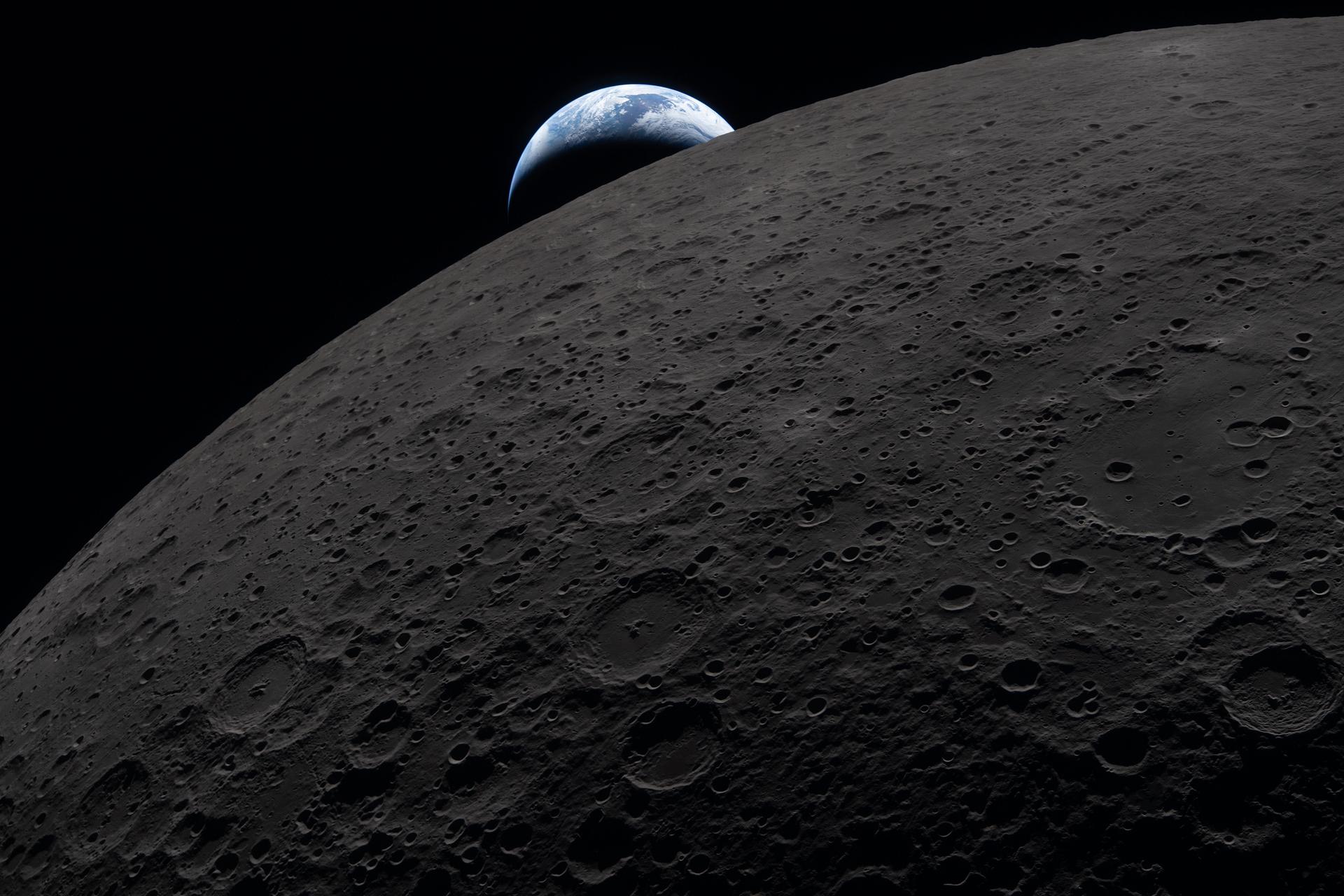
3 Min Read NASA Releases Technology Priorities to Energize Space Industry Earthset captured through the Orion spacecraft window at 6:41 p.m. EDT, April 6, 2026, during the Artemis II crew’s flyby of the Moon. A muted blue Earth with bright white clouds sets behind the cratered lunar surface. The dark portion of Earth is in nighttime. On Earth’s day side, swirling clouds are visible over the Australia and Oceania region. Credit: NASA Credits: NASA Loura Hall May 20, 2026 Article NASA released the 2026 Civil Space Shortfall Ranking list on Wednesday, which integrates more than 400 responses from stakeholders including industry organizations, government agencies, and academia. Shortfalls refer to technology areas requiring further development to meet future exploration, science, and other mission needs. The goal of this document is to rank the space community’s most pervasive shortfalls to help guide NASA’s space technology development and investments.
The greatest technological breakthroughs are built on shared vision. At the intersection of government and industry, we’re poised to use this feedback to accelerate high-risk, high-reward technologies, pushing NASA beyond the cutting edge to enable the near impossible.
Greg Stover Acting associate administrator for NASA’s Space Technology Mission Directorate at the agency’s headquarters in Washington As NASA lays the foundation for long-term missions to the Moon and paves the way for human exploration on Mars, the top ranked shortfalls reflect the challenges industry is most eager to solve, such as developing infrastructure and capabilities for assets to operate for extended durations in the lunar environment, providing surface mobility and logistics for crew and assets on planetary surfaces, and developing on-board advanced computing capabilities for space operations.
From this year’s public call for feedback , NASA received 454 total external responses. Each response was considered the input of a single individual, not a consolidated response of the organization they represented. The cross-cutting nature of this feedback underscores the importance of public, private partnership to drive U.S. leadership in space technology and energize the space economy.
“This feedback provides an invaluable dataset,” said Angela Krenn, acting chief architect for NASA Technology. “As our process matures, each round of input helps target our resources, ensuring America’s space industry can tackle tomorrow’s greatest challenges. By tapping into the collective expertise of our stakeholders, we turn their insights into fuel for NASA’s next giant leap.” The 2026 shortfalls process builds on NASA’s first shortfall ranking, which asked participants to rank 187 civil space shortfalls, resulting in an integrated list of technology priorities . Leveraging the feedback provided by stakeholders, this year’s exercise streamlined the process by consolidating the shortfalls into 32 broader, integrated categories. This restructuring maintains the original content’s depth while creating a more efficient and accessible feedback mechanism for participants.
Using the 2026 shortfalls results, NASA Technology selected 40 primary focus areas for its fiscal year 2026 investments. These focus areas combine the quantitative data of the shortfall rankings with considerations from NASA’s Ignition initiatives , science and technology, while establishing paths for collaboration with industry, ensuring relevance with academia, and leveraging overlaps in interests with other government agencies.
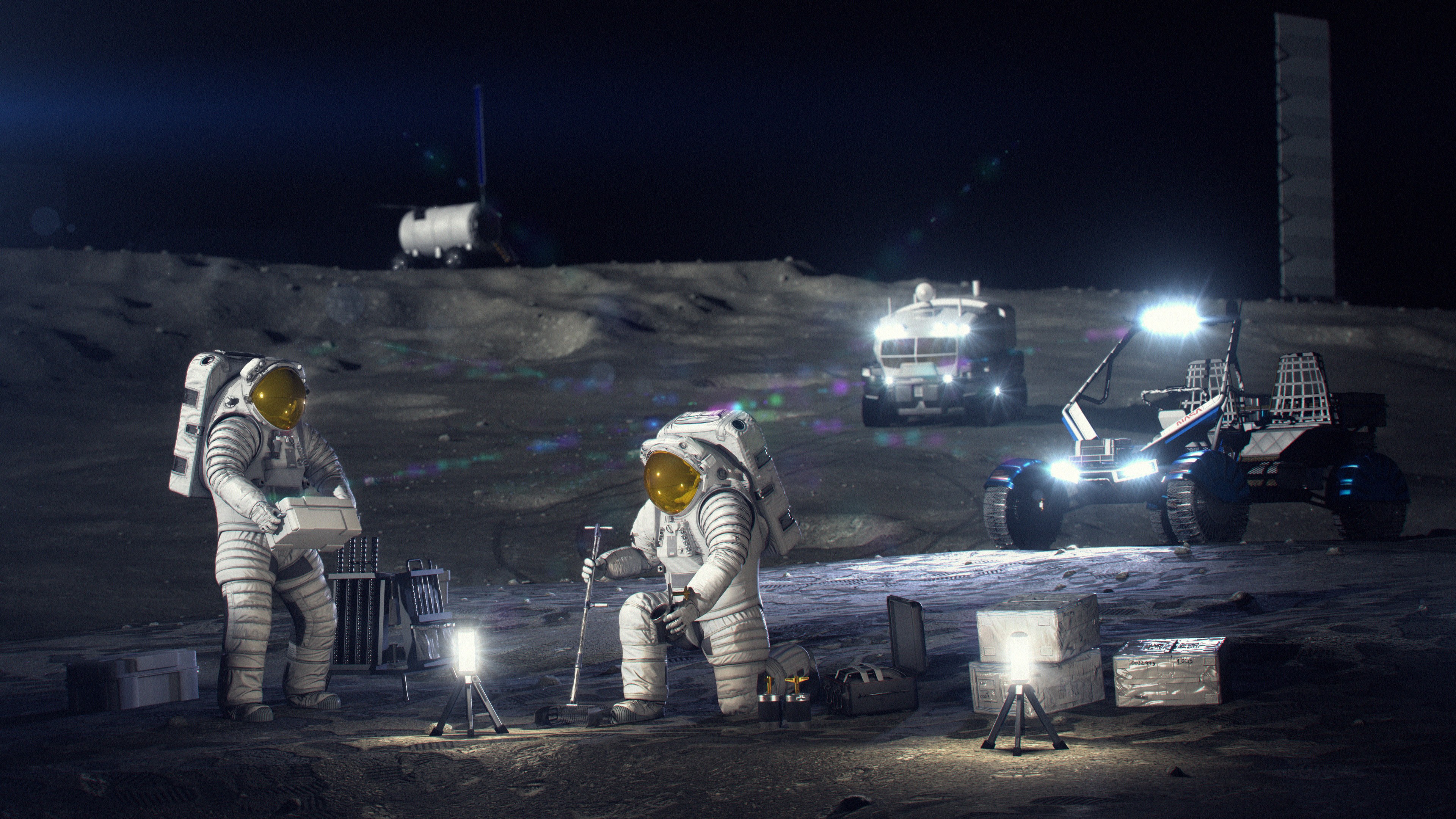
The 40 focus areas include several capabilities to enable NASA’s future lunar infrastructure including: landing at the lunar South Pole exploration sites in various illumination conditions with accuracy; excavating and transporting lunar regolith at a scale relevant for a demonstration mission; and providing low power, thermal management, and actuation for distributed surface assets to survive and operate in the lunar environment. The list of 40 focus areas is available on page 10 of the shortfalls document.
To learn more about the civil space shortfall feedback opportunity and results as well as monitor future feedback opportunities, visit: www.
nasa.gov/civilspaceshortfalls Share Details Last Updated May 20, 2026 Editor Loura Hall Location NASA Headquarters Related Terms Technology Space Technology Mission Directorate Explore More 3 min read NASA Bolsters Golden Age of Exploration with Technology Priorities Article 4 months ago 3 min read NASA Releases First Integrated Ranking of Civil Space Challenges Article 2 years ago