There are no US blockbusters premiering at the Cannes Film Festival this year. So who's snubbing who?
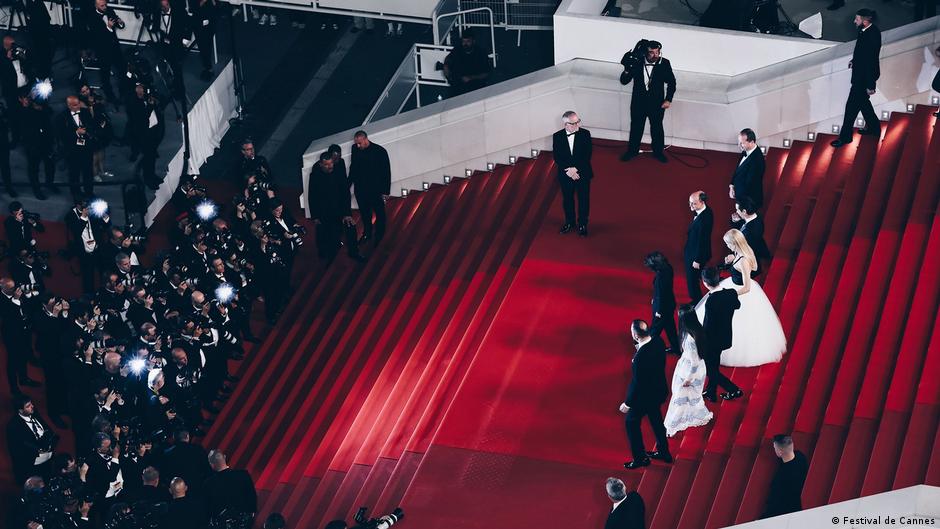
The world's most important film festival kicks off on May 12 with a lineup of new movies from some of the most acclaimed filmmakers in global arthouse cinema — Pedro Almodovar , Asghar Farhadi , Pawel Pawlikowski , Cristian Mungiu — but not a single film from a US major studio. There'll be no red carpet spectacle to rival last year's premiere of "Mission: Impossible – The Final Reckoning" or earlier Cannes launches like "Top Gun: Maverick" and "Mad Max: Fury Road." Is Cannes giving Hollywood the cold shoulder? Not exactly.
Studios grow wary of festival risk It isn't just Cannes. The Berlin Film Festival in February was also notably devoid of studio fare, much to the disappointment of the city's star-watchers and celebrity-driven tabloids. Berlinale director Tricia Tuttle has suggested Hollywood majors are increasingly wary of premiering big films at festivals, concerned that a negative reception or an awkward press cycle could damage box office prospects months ahead of release.
Politics are another factor. Major festivals have become flashpoints for protest and debate, with press conferences routinely veering into questions about Gaza, Trump and Iran. In Berlin this year , political tensions at times overshadowed discussion of the films themselves. For Hollywood studios, the risk of having stars or projects pulled into divisive global debates may simply outweigh the upside of a high-profile festival premiere.
Auteurs take center stage Without the studios, Cannes this year is doubling down on international auteur cinema. Farhadi — a two-time Oscar winner for "A Separation" and "The Salesman" — returns with "Parallel Tales," a Paris-set drama featuring Isabelle Huppert, Catherine Deneuve and Vincent Cassel.
Spanish cinema's melodramatic master Almodovar is still hunting for his first Palme d'Or, Cannes' top prize, with "Bitter Christmas," a holiday drama about a woman being abandoned by her partner during the festive season; it's his seventh film running in the festival's main competition.
Laszlo Nemes returns with "Moulin," set in Nazi-occupied France, with Lars Eidinger portraying Klaus Barbie, the so-called "Butcher of Lyon." Pawlikowski brings "Fatherland," his Thomas Mann biopic starring Hanns Zischler and Sandra Hüller, while Belgian auteur Lukas Dhont follows up his Oscar-nominated "Close" with "Coward," set in the trenches of World War I.
Germany is also back in the mix. After Mascha Schilinski's " Sound of Falling " took last year's Jury Prize , another German female auteur, Valeska Grisebach, enters Cannes' competition with "The Dreamed Adventure," her first feature since 2017's "Western," which won Cannes' Un Certain Regard prize.
Out of competition, Danish provocateur Nicolas Winding Refn arrives with "Her Private Hell," while in Un Certain Regard, up-and-coming American indie filmmaker Jane Schoenbrun presents "Teenage Sex and Death at Camp Miasma," a queer slasher that is already generating buzz as a potential breakout.
'Thelma & Louise,' which premiered 35 years ago at Cannes, is featured on the festival's 2026 official poster Without Hollywood crowding the Croisette, Cannes this year looks less like a global marketing stage and more like what it was always meant to be: a showcase for the world's most distinctive filmmakers.
Edited by: Elizabeth Grenier Advertisement